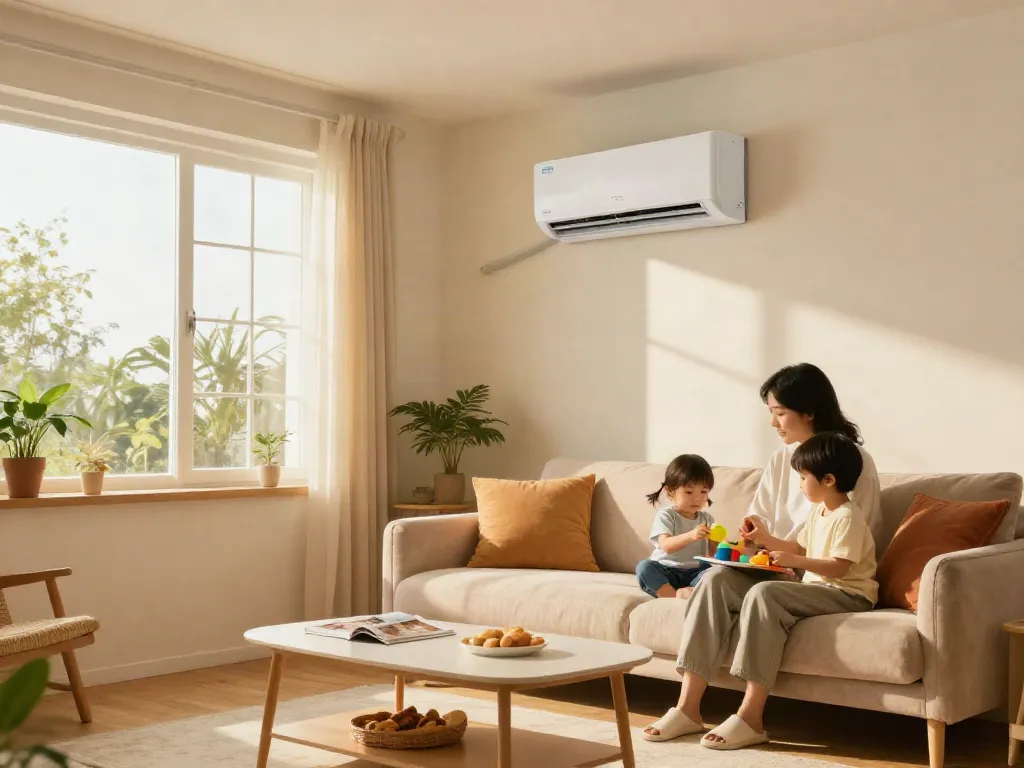
Understanding Mini Split Air Conditioners
Mini split air conditioners have become an increasingly popular choice for climate control in both residential and commercial settings. As an efficient and versatile option for heating and cooling spaces, mini splits can provide comfort without the bulk and installation complexities associated with traditional HVAC systems. When exploring options, mini split systems stand out for their design and functionality, offering a sleek alternative that fits seamlessly into various environments.
What Is a Mini Split Air Conditioner?
A mini split air conditioner, also known as a ductless system, is a compact HVAC solution that consists of two main components: an outdoor compressor unit and one or more indoor air handling units. Unlike traditional air conditioning systems, mini splits do not require ductwork, making them ideal for homes without ducts or for spaces that want to enhance cooling or heating capabilities in specific areas.
These systems operate through a heat pump mechanism, which can provide both heating and cooling, depending on the season. They utilize refrigerant to transfer heat between the indoor and outdoor units, delivering efficient temperature control with minimal energy loss.
Components and Functionality of Mini Splits
The core components of a mini split system include:
- Outdoor Unit: This unit houses the compressor and condenser, which are responsible for expelling heat from the refrigerant during cooling mode.
- Indoor Unit: Each indoor unit is responsible for blowing conditioned air into the space. These units can be wall-mounted, ceiling-mounted, or even floor-mounted, providing flexible installation options.
- Thermostat or Remote Controller: Most mini splits come with remote controls or smart thermostats, allowing users to customize settings for each indoor unit.
- Refrigerant Lines: Copper lines connect the indoor and outdoor units, allowing refrigerant to flow between them and facilitating heat exchange.
Mini split systems are designed to operate quietly, making them a great choice for bedrooms, offices, or any area where noise might be a concern.
Advantages of Using Mini Split Systems
There are several advantages to using mini split air conditioners, including:
- Energy Efficiency: Mini splits typically offer higher SEER (Seasonal Energy Efficiency Ratio) ratings compared to traditional HVAC systems. This translates to lower energy bills and reduced environmental impact.
- Zoned Climate Control: Mini splits allow for individual temperature control in different rooms. This zoning capability ensures that only the spaces that need cooling or heating are conditioned, enhancing efficiency.
- Space Savings: Without the need for ductwork, mini splits take up less space and can be installed in almost any location, maximizing flexibility in design.
- Easy Installation: The installation process for mini splits is generally less invasive compared to traditional systems, reducing costs and disruption.
Choosing the Right Mini Split for Your Home
Selecting the right mini split system for your home requires careful consideration of several factors to ensure optimal performance. Understanding your specific needs and comparing various options can significantly affect your comfort and energy savings.
Factors to Consider When Selecting a Mini Split
When choosing a mini split system, consider the following elements:
- BTU Requirements: The British Thermal Units (BTU) rating of a mini split system indicates its cooling and heating capacity. Accurately assessing the BTUs required for your space is crucial for selecting an appropriately-sized system.
- Number of Zones: Determine how many indoor units you need based on the number of rooms or areas you wish to condition. Multi-zone systems can service multiple spaces from a single outdoor condenser.
- Efficiency Ratings: Look for models with high SEER ratings to maximize energy savings. Also, consider the HSPF (Heating Season Performance Factor) for heating efficiency.
- Brand Reliability: Research brands and models known for their reliability and longevity. Reading reviews and comparing warranties can help make an informed decision.
Comparing Brands and Models for Optimal Performance
When evaluating mini split systems, it’s advantageous to compare different brands based on performance metrics such as efficiency, comfort features, warranty terms, and customer support. Leading brands often provide cutting-edge technology, such as inverter technology, which adjusts the compressor speed for optimal efficiency.
Popular brands that stand out in the market include Daikin, Mitsubishi Electric, and Fujitsu. Each of these brands offers a range of models tailored for various applications, ensuring that you can find the right fit for your home.
Common Misconceptions About Mini Split Systems
Despite their growing popularity, several misconceptions about mini split systems persist. Here are a few common myths debunked:
- They Are Too Expensive: While the upfront cost of mini splits can be higher than traditional systems, their energy efficiency often leads to lower monthly bills, resulting in long-term savings.
- Maintenance Is Complicated: Mini splits require less maintenance than traditional HVAC systems, but routine checks, such as cleaning filters and checking for refrigerant leaks, are recommended to keep them running efficiently.
- They Are Noisy: Many modern mini splits are designed to operate quietly. Indoor units typically produce noise levels comparable to a whisper, making them suitable for sleeping areas or quiet spaces.
Installation and Maintenance of Mini Split Systems
Proper installation and regular maintenance are crucial for ensuring the longevity and efficiency of your mini split system. Understanding the installation process and maintenance requirements can prevent future issues and enhance your overall experience.
Step-by-Step Guide to Installing a Mini Split
Installing a mini split system can be accomplished as a DIY project for those with adequate skills, or it can be handled by a professional installation service. Here’s a basic overview of the installation process:
- Prepare the Installation Site: Identify locations for the indoor and outdoor units, ensuring there’s sufficient space for airflow.
- Mount the Indoor Unit: Secure the indoor unit to the wall and connect it to the refrigerant lines and drain line. This step may involve drilling through the wall.
- Install the Outdoor Unit: Position and mount the outdoor unit on a stable surface. Ensure it is level and has adequate ventilation.
- Connect the Units: Connect the refrigerant lines, electrical connections, and drainage from the indoor unit to the outdoor unit.
- Testing: Once installed, test the system for proper operation, checking for any leaks and ensuring the thermostat operates correctly.
Essential Maintenance Practices for Longevity
To keep your mini split system functioning efficiently, adhere to these essential maintenance practices:
- Regularly Clean or Replace Filters: Dirty air filters can decrease airflow and efficiency. Clean or replace them every 1-3 months, depending on usage.
- Check the Drain Line: Ensure the drain line is clear of clogs to prevent water damage and mold growth.
- Schedule Annual Professional Maintenance: Having a professional technician inspect and service your system annually can help detect and address potential issues before they escalate.
Hiring a Professional vs. DIY Installation
While some homeowners may choose to install their mini split systems themselves, hiring a professional can ensure proper setup and adherence to local building codes. Professionals are trained to handle potential challenges, including electrical connections and refrigerant management, which can be complex for novice installers.
Energy Efficiency and Cost Savings with Mini Splits
One of the major draws of mini split systems is their energy efficiency, which leads to substantial cost savings for homeowners. Understanding how these systems can reduce energy consumption and lower utility bills can influence your decision to invest in one.
How Mini Splits Save on Energy Bills
Mini split systems save energy in several key ways:
- Zoning System: By allowing for individualized control in different rooms, mini splits only cool or heat the spaces in use.
- No Duct Loss: Traditional HVAC systems often lose energy through ductwork. Mini splits eliminate this loss, delivering 100% of the conditioned air directly into the living space.
- Inverter Technology: Many modern mini split systems use inverter technology, which adjusts the compressor speed according to the desired room temperature, minimizing energy usage.
Understanding SEER Ratings for Efficiency
The SEER rating is a crucial factor when assessing the efficiency of a mini split system. Higher SEER ratings indicate better energy efficiency, with a rating of 14 or above being considered excellent. Choosing a system with a high SEER rating can lead to significant savings on energy bills over time, thereby justifying any initial price differences.
Long-term Cost Benefits Compared to Traditional Systems
While mini splits may entail a higher upfront investment, their long-term cost benefits are notable. Over time, reduced energy bills and fewer repair costs can lead to savings far exceeding the initial purchase price. Many homeowners find that mini splits pay for themselves within a few years of operation, making them a wise financial choice.
Future Trends in Mini Split Technology
As technology continues to evolve, mini split systems are expected to incorporate even more innovative features, enhancing their functionality and user experience. Keeping an eye on these trends can help consumers choose systems that meet future needs.
Innovative Features to Look for in 2026
In 2026, consumers can expect to see several innovative features in mini split systems, including:
- Smart Thermostat Integration: More mini splits will likely come with smart capabilities, allowing users to control their systems remotely via smartphone apps.
- Enhanced Filtration Systems: With increasing awareness of indoor air quality, advanced filtration technologies may become standard, improving air quality in residences.
- Eco-Friendly Refrigerants: The shift towards environmentally friendly refrigerants will continue, with manufacturers focusing on reducing the carbon footprint of their products.
Impact of Smart Home Integration on Mini Split Systems
As smart home technology advances, mini split systems will increasingly integrate with home automation platforms. This trend will allow users to synchronize their mini splits with other smart devices, such as smart thermostats and energy monitors, optimizing energy usage based on lifestyle patterns.
Sustainability Trends and Eco-Friendly Options
With growing consumer demand for sustainable options, manufacturers are likely to increase their focus on eco-friendly designs. This includes using recycled materials, optimizing energy efficiency, and providing systems that lower overall carbon emissions. A commitment to sustainability in HVAC solutions will be essential for both brands and consumers moving forward.
What Are the Disadvantages of a Mini Split?
While mini split systems have many benefits, it’s important to consider potential drawbacks:
- Initial Costs: The upfront expense of mini splits can be higher than that of traditional systems, which may cause hesitation for some homeowners.
- Aesthetic Concerns: Some individuals may dislike the appearance of indoor units, which typically require wall space for installation.
- Temperature Fluctuations: In certain configurations, if not sized properly, mini splits may struggle to maintain consistent temperatures across larger spaces.
Are Mini Splits Really Worth It?
The question of whether mini splits are worth the investment largely depends on individual circumstances. For many homeowners, the benefits—such as energy efficiency, flexibility, and effective zoning—outweigh the costs. Considering long-term savings on energy bills and the reduction in environmental impact can also reinforce the value of mini splits in the current market.
What Does a Mini Split Usually Cost?
The cost of a mini split system varies greatly based on factors such as brand, model, capacity, and installation complexity. On average, homeowners can expect to spend between $2,000 and $5,000 for a complete system, including installation. It's advisable to obtain quotes from multiple installers and consider any available rebates or tax credits that make investing in energy-efficient systems more affordable.
Do Mini Splits Work in 100 Degree Weather?
Yes, mini split systems are designed to operate effectively even in extreme temperatures, including 100-degree weather. However, selecting a system rated for higher temperatures and ensuring it is installed correctly is essential to maintain optimal performance. Regular maintenance during peak summer months is also important to ensure maximum efficiency.