Understanding Hair Extensions: Types and Trends
Hair extensions have become a popular way for individuals to enhance their hairstyle, adding volume and length in an instant. From special occasions to everyday use, extensions allow for versatility and creativity in styling. As the market for hair extensions continues to grow, so do the options available for consumers. This article delves into the various types of hair extensions, current trends for 2026, and essential considerations when selecting the right extensions for your needs.
What Are Hair Extensions?
Hair extensions are strands of hair that can be clipped, bonded, sewn, or glued onto natural hair to create added length or volume. They can be made from synthetic fibers or 100% human hair, with the latter typically providing a more natural look and feel. Hair extensions have gained immense popularity due to their ability to transform a person's appearance without waiting for natural hair to grow. Today, extensions come in a variety of colors, lengths, and textures, allowing users to customize their look effortlessly.
Popular Types of Hair Extensions
- Clip-In Extensions: These are one of the most user-friendly types, easily applied and removed at home. Ideal for temporary wear, they can match your natural hair color for a seamless blend.
- Tape-In Extensions: These semi-permanent options are adhered to natural hair using medical-grade adhesive. They typically last 6-8 weeks before needing reapplication.
- Sew-In Wefts: For individuals with thicker hair, sew-in extensions provide a long-lasting solution. Wefts are sewn onto braids of natural hair and can last for months with proper care.
- Keratin Bond Extensions: These involve small, pre-bonded strands that are fused to natural hair using heat. They are less visible and can last up to six months with careful maintenance.
- Micro-Link Extensions: Also known as microlinks or microbeads, this method involves threading natural hair through small metal beads or links, allowing for movement and flexibility.
Current Trends in Hair Extensions for 2026
The world of hair extensions is continuously evolving. As we move further into 2026, several trends are emerging. Personalized extensions that match the exact hair texture and color are becoming more prevalent, as consumers seek a more customized look. Additionally, there’s a significant shift towards sustainable and ethically sourced hair. Consumers are now more aware of the sourcing process, leading businesses to adopt eco-friendly practices in production and packaging. Innovations in application techniques, such as the use of less damaging adhesives and lightweight materials, also continue to shape the market.
Choosing the Right Hair Extensions for Your Needs
Factors to Consider Before Buying
When selecting hair extensions, several factors should guide your decision. These include your hair type, lifestyle, and budget. For instance, fine hair may require lighter clip-ins or tape-ins to avoid damage, while thicker hair may accommodate sew-in or keratin bond extensions. Additionally, consider how often you plan to wear the extensions; if they are for intermittent use, clip-ins may be more suitable.
Matching Hair Extensions to Your Hair Type
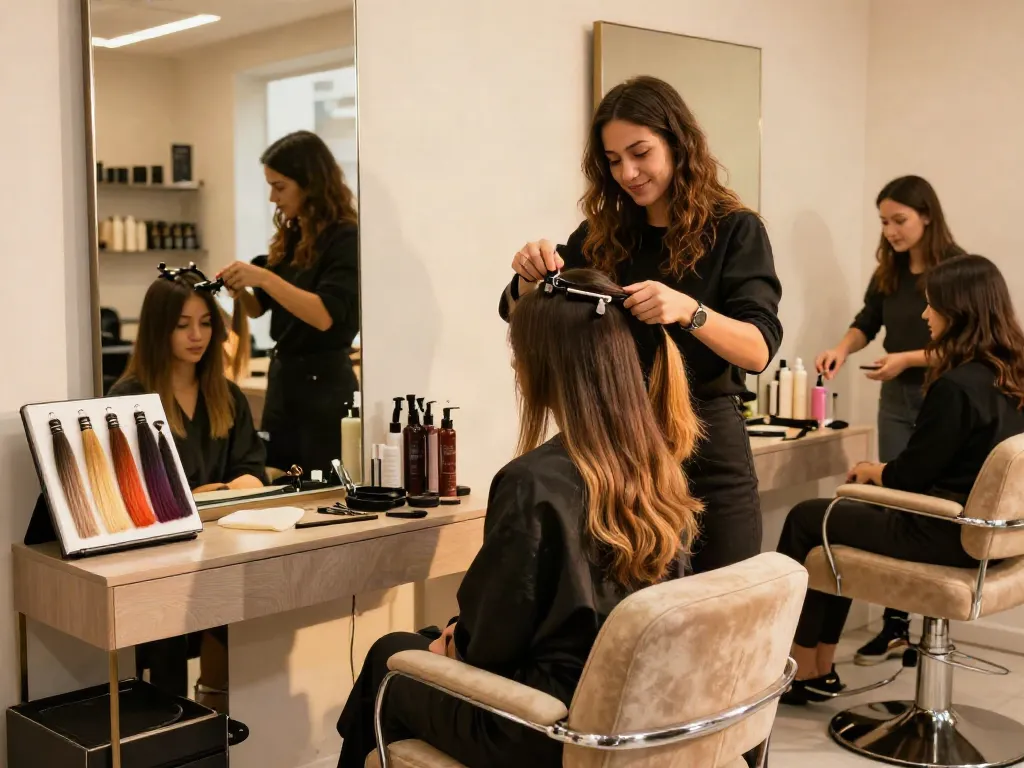
To achieve the most natural look, it’s essential to match the extensions to your hair's color, texture, and thickness. Most reputable brands offer swatches or consultation services to help find your perfect match. If you're unsure, opt for a shade that is slightly lighter than your natural color for highlights or a shade close to your natural color for a more seamless blend.
Common Mistakes in Selecting Extensions
One of the most common mistakes people make when selecting extensions is choosing the wrong type based on their hair texture. Additionally, many underestimate the importance of care products designed specifically for extensions, which can lead to premature wear. Always consider the maintenance requirements and necessary styling tools when making a choice.
Application Methods: How to Apply Hair Extensions Safely
Overview of Different Application Techniques
Each hair extension method has its unique application process, and understanding them can help users make informed decisions. Clip-ins are quick and easy, making them ideal for beginners, while tape-ins require a bit more skill to ensure a secure fit. Sew-in and keratin bonds typically require professional installation, which ensures longevity and reduces the risk of damage.
Step-by-Step Guide to Clip-In Extensions
- Preparation: Start with clean, dry hair. Brush through any tangles and use a heat protectant if you plan to style your hair.
- Sectioning: Divide your hair into sections, starting from the bottom. Secure the upper layers with clips or hair ties.
- Application: Open the clip, place it close to the roots, and press the clip into your hair until it is secure. Repeat this for each piece, working your way up.
- Blend: Once all clips are in place, gently brush through your hair to blend the extensions with your natural hair.
Professional Installation: What to Expect
Choosing a professional installation for methods like tape-ins, keratin bonds, or sew-ins can significantly enhance the longevity and appearance of your extensions. During the appointment, the stylist will assess your hair type and provide insights into the best application method. Expect to spend a few hours in the salon, depending on the chosen method and the number of extensions being applied.
Caring for Hair Extensions: Best Practices
Daily Care Tips for Longevity
To maintain the beauty of your extensions, follow a proper care routine. Always use products that are sulfate-free and designed for extensions. Regularly brush your extensions with a wide-tooth comb to prevent tangling and to distribute natural oils. Avoid sleeping with wet hair, as this can lead to damage and matting.
Washing and Styling Dos and Don’ts
- Do: Wash your extensions every 6-8 wears to keep them clean.
- Don’t: Use high heat when styling; instead, opt for lower temperatures and apply heat protectant products.
- Do: Allow your extensions to air dry after washing; avoid rubbing them with a towel.
- Don’t: Use heavy oils or products that can weigh down the hair.
Product Recommendations for Hair Extensions
Look for hair care products specifically formulated for extensions. Brands that offer sulfate-free shampoos and conditioners are excellent choices to maintain the quality of your extensions. Additionally, consider using specialized brushes that are gentle and prevent pulling on the hair.
The Future of Hair Extensions: Innovations and Predictions
Emerging Technologies in Hair Extensions
As technology progresses, the hair extension industry is seeing advancements such as enhanced bonding agents that reduce damage to natural hair and innovations in extension materials that mimic real hair more closely. These technologies promise not only to improve the application experience but also to enhance overall hair health.
Sustainability in Hair Extension Production
In response to growing consumer demand for ethical products, many manufacturers are now prioritizing sustainability. This includes sourcing hair from ethical suppliers and utilizing environmentally-friendly manufacturing processes. Brands that emphasize sustainability are likely to lead the market in the coming years, catering to the environmentally-conscious consumer.
Predictions for Hair Trends Beyond 2026
Looking ahead, it's anticipated that personalized hair extensions will become even more common, with consumers seeking products that can be tailored specifically to their needs. Furthermore, the integration of technology in hair care, such as apps that help users choose the perfect shade and texture, may revolutionize how we approach hair extensions.
How long do hair extensions usually last?
The lifespan of hair extensions varies based on the type and how well they are cared for. Clip-in extensions typically last 6-12 months, while tape-ins and sew-ins can last for several months with proper maintenance.
Are extensions damaging to hair?
Extensions can cause damage if not applied or cared for correctly. It’s crucial to follow guidelines and seek professional installation to minimize risks.
What type of hair extension is the best?
The best type of extension depends on personal preferences and hair type. For ease of use, clip-in extensions are ideal, while those seeking longer-lasting results may prefer tape-ins or sew-ins.
What is the average cost to have extensions put in your hair?
The cost of hair extension installation varies widely based on the type and method used. On average, professional installation can range from $100 to $600 or more, depending on the complexity and quality of the extensions.
Can I dye my hair extensions?
Yes, many human hair extensions can be dyed; however, it’s advisable to consult a professional stylist to avoid damaging the extensions.